A Beginner's Guide to Buying Second-Hand Furniture Safely
October 09, 2026 - DIY

October 09, 2026 - DIY

October 05, 2026 - Interiors

October 01, 2026 - Inspiration
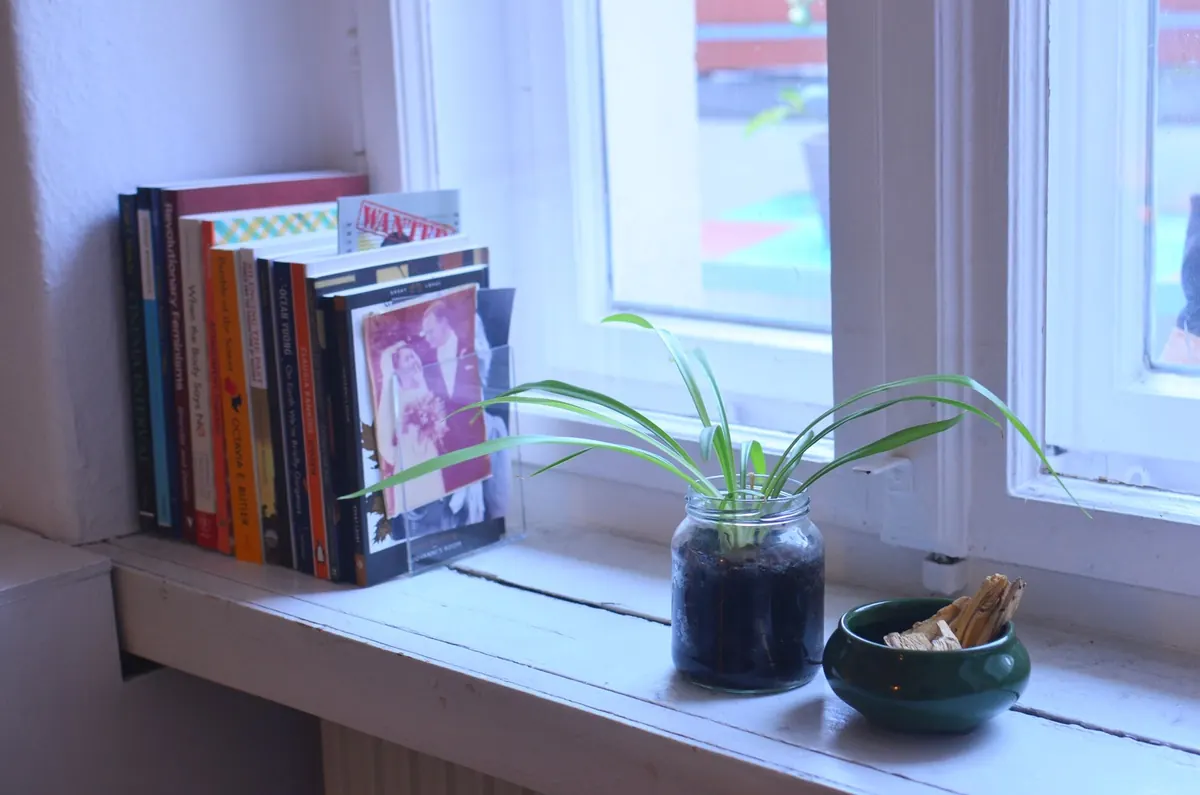
The walls belong to someone else. That is the deal with renting, and it is why so many flats end up looking like a show home nobody chose. But a deposit is not a ban on personality. It is a constraint, and constraints are workable. Almost everything that makes a room feel like yours can be done with removable adhesive, freestanding furniture and lighting that simply plugs into a socket.
Before you spend anything, read the decorating clause in your tenancy agreement. Some contracts allow minor changes provided you return the property to its original condition. Others require written permission, even for a picture hook. Send that request by email so there is a record of what was agreed, and be specific: what you want to do, which room, and how you will undo it.
Landlords tend to be far more relaxed when they can see you have thought about the exit as well as the entrance. Someone who says "I would like to hang six framed prints in the living room, and I will fill and touch up the holes when I leave" is easy to say yes to.
Then photograph everything on the day you get the keys. Marks, chips, scuffed skirting boards, a loose tile, the state of the carpet. Date the images and keep them somewhere you will still be able to find in two years. Those photographs are worth more than any adhesive when deposit time comes.
Removable, peel-and-stick wallpaper is the obvious starting point, and it works well on smooth, painted, properly sealed walls. It behaves badly on bare plaster, old lining paper and paint that has only just dried, where it can lift the surface underneath. Test a small square behind a wardrobe first and leave it for a few days before committing to a whole wall.
Clean the wall with a damp cloth and let it dry completely before applying, press out air bubbles with a squeegee or a dry cloth, and remove it slowly at a low angle rather than yanking straight outwards. A hairdryer on a low setting softens stubborn corners.
If wallpaper feels like too much commitment, there are lighter options:
If your landlord does allow painting, agree the exact colour and finish in writing, use a reasonable quality paint, and keep a small tin plus the product details for touch-ups later. A colour you cannot match in two years' time is a problem you have created for yourself.
Removable strips fail for predictable reasons. Follow these and they rarely let you down.
Steamy bathrooms and walls above radiators are the two places where adhesive tends to give up. Use over-door hooks, a suction caddy or a freestanding shelf there instead. For anything heavy or valuable, lean rather than hang — a large mirror resting on the floor against the wall is a classic renter's trick. Just make sure it cannot topple onto children or pets.
Rented flats rarely have enough storage, and you cannot knock through a wall. What you can do is buy furniture that is tall, narrow and easy to move. Cubed shelving, ladder shelves, slim bookcases, stacking crates, over-door organisers and lidded baskets will all hold far more than they appear to, and none of them leave a mark.
Measure your space, including door swings and radiator clearance, before you buy anything. Then think about sightlines: put the tallest, busiest unit on the wall you look at least, and keep lower furniture where you want the room to feel open. A sideboard used as a television stand, with baskets underneath for cables and clutter, tidies a living room in one move.
Anchor anything over about a metre tall with an anti-tip strap. This is the one place where a small fixing into the wall is genuinely worth asking about, and most landlords agree when the request is framed as safety rather than decoration.
Overhead lights are usually the least flattering option in a flat, and the fastest fix is to stop relying on them. A floor lamp angled into a corner, a plug-in wall sconce beside the sofa, a rechargeable table lamp on a shelf and an adhesive LED strip behind a television or under a kitchen cabinet will transform a room in an afternoon.
Use warm-white bulbs — around 2700K on the packaging — for a softer, cosier feel than the cool white that comes as standard in a lot of rentals. Two or three low light sources at different heights almost always look better than one bright ceiling light, and they make a rented room feel considered rather than temporary.
Route cables with adhesive clips or stick-on trunking so nothing trails across the floor. Do not overload sockets or run several extension leads in a chain, whatever the room needs.
Splashbacks can be refreshed with peel-and-stick tile decals, which come away cleanly from most sealed surfaces. Adhesive hooks hold utensils and tea towels. Tension rods do a surprising amount of work inside cupboards, and over-cabinet-door baskets add storage where there is none.
Soft furnishings carry the rest. A tension rod and a pair of clip-on rings give you curtains without drilling. New cushion covers, a throw over the arm of a tired sofa, and a tablecloth that actually fits the table will lift a room more than you expect. Keep ventilation grilles and extractor fans clear — a blocked vent is a maintenance issue, not a decorating choice.
Give yourself a full day to reverse everything, and work from your move-in photographs.
Your deposit should be held in a government-approved tenancy deposit protection scheme, and those schemes offer a free dispute resolution service if you and your landlord cannot agree on deductions. If you are unsure where you stand, Citizens Advice and Shelter both offer free guidance, and it is worth speaking to a qualified adviser before accepting any deduction you think is unfair.
Photo: Skylar Kang / Pexels
A practical guide to buying second-hand furniture: how to measure, inspect and question before you commit, plus...
North-facing rooms needn't feel cold or dingy. Here's how warm colour, layered lighting, mirrors and texture can...
October 09, 2026 - DIY
October 05, 2026 - Interiors
Copyright © 2026 Amber Nest. All Right Reserved.